If hotels and tourist restaurants have lost their charm and you're craving a glimpse of the real Thailand—where local homemakers pick out their morning catch for lunch—head to the Naklua Market. You won't find souvenir fridge magnets here, but there's an abundance of everyday life, the rich aroma of spices, and the absolute freshest catch. This is the kind of place worth waking up early for. Let's break down what to buy, how much it costs, and how to haggle.
What is this market and why visit?
Naklua Fresh Market is the oldest and largest market in the northern part of Pattaya. It's located in a residential neighborhood where many Thai-Chinese families still live, giving it a unique atmosphere: bustling, energetic, and completely unpretentious.
Unlike the walking streets in the city center, people don't come here to stroll—they come to shop and eat. This isn't a show put on for tourists; it's everyday local life. People are here for fresh seafood, seasonal fruits, and ingredients you simply won't find at a 7-Eleven. The market is buzzing in the mornings right up until lunchtime.
Why you should visit:
- Authenticity. You'll hear a mix of Thai and Chinese, and smell fried fish and spices in the air. Tour groups are a rare sight here.
- Savings. Prices for Thai products and food are 2–3 times lower than in tourist-focused supermarkets.
- Freshness. If you're looking for shrimp or fish to cook at home or grill on the spot, the fresh catch is brought in every morning.
What to buy: seafood, fruits, spices
The market is divided into different zones. Near the main entrance, you'll find dry goods; deeper inside the covered pavilions is a kingdom of ice and seafood.
Seafood
This is the heart of the market. The icy counters are overflowing with everything the Gulf of Thailand has to offer.
- Shrimp. Large tiger prawns are perfect for grilling, while smaller ones are great for soups and pad thai.
- Fish. Everything from sea bream to barracuda. You can buy a whole fish or ask them to fillet it right at the counter.
- Shellfish. Mussels, scallops, and sea urchins.
- Crustaceans. Large crabs with meaty claws, and smaller crabs perfect for making crab paste.
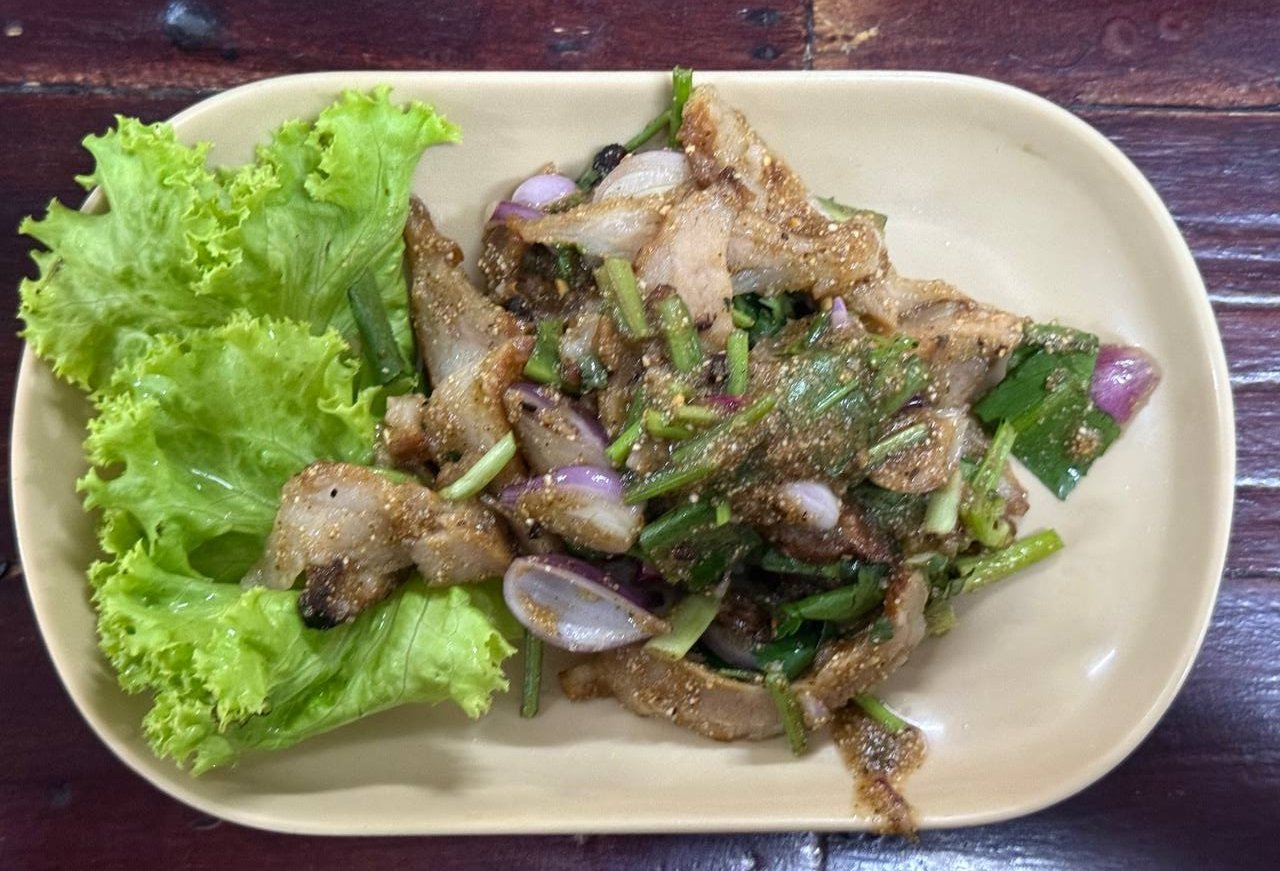
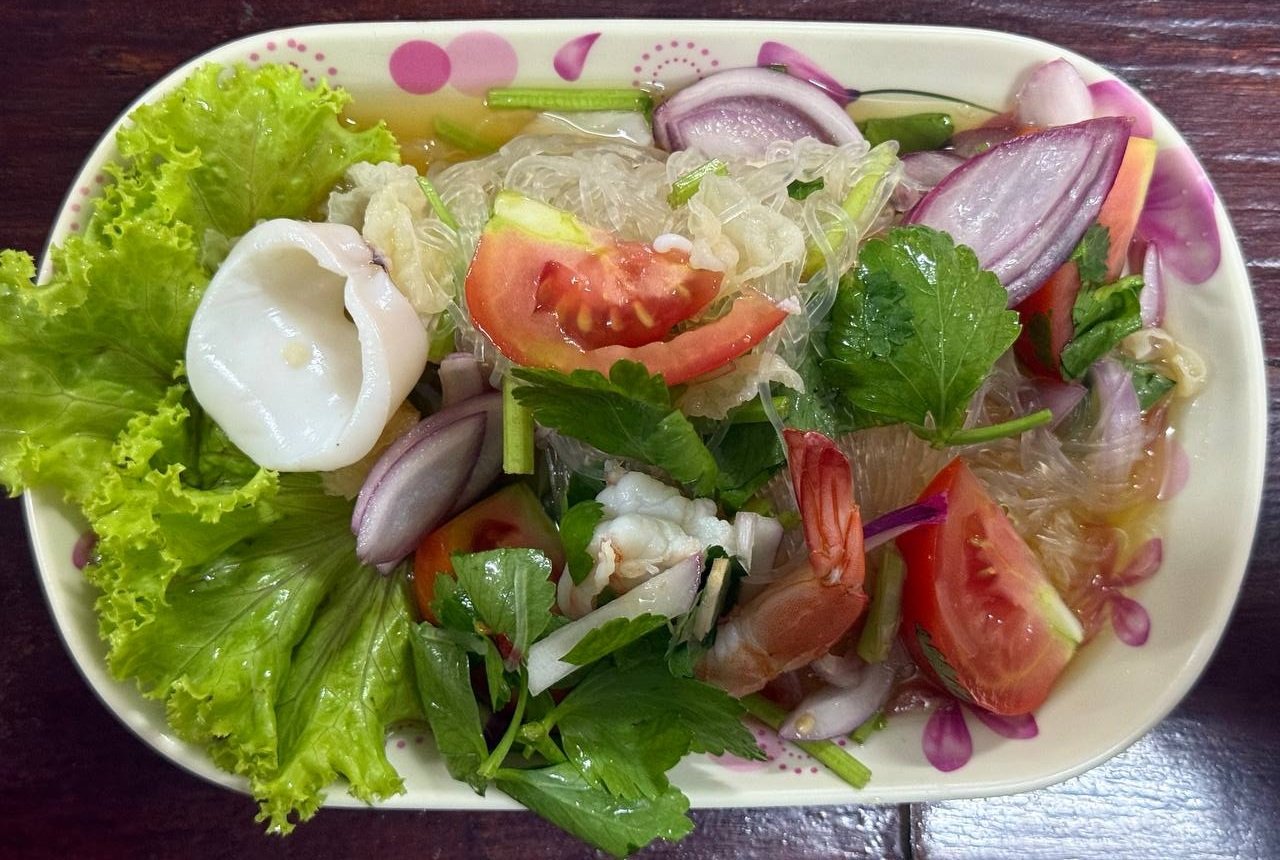
In the center of the market, there's a small food court where cooks will take your raw purchases and grill, boil, or toss them into a salad for you. It’s cheaper than sitting down in a restaurant, and a lot more fun.
Fruits and vegetables
The fruit section in Naklua is very seasonal.
- Durian. The king of fruits. Sold whole or pre-cut.
- Mangosteen. The queen of fruits, usually eaten alongside durian.
- Coconuts. Freshly hacked open and served with a straw.
- Pineapples and papayas. Available year-round.
Spices and dry goods
Don't miss the aisles with that sharp, spicy aroma: packaged curry pastes, dried chili, cashews, Thai coconut milk sweets, and the famous fish sauce. A good bottle of fish sauce costs pennies but will radically change the flavor of your homemade dishes.
Seafood and fruit prices for 2026
Thailand is getting more expensive, but compared to Europe, the local markets are still a pleasant surprise. Here are the approximate prices.
| Item | Price (per 1 kg / piece) | Notes |
|---|---|---|
| Tiger prawns (large) | 350–500 ฿ | Depends on the size. |
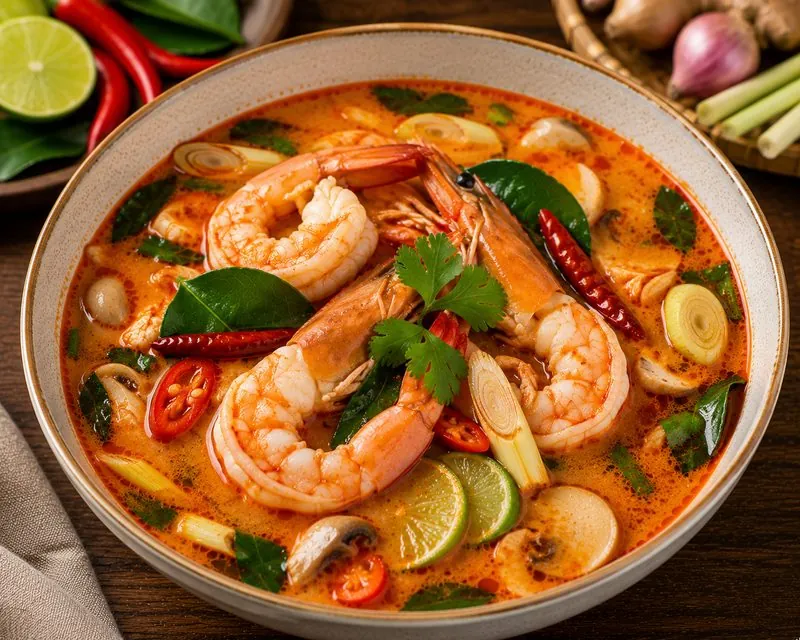
| Small shrimp (for soup) | 120–180 ฿ | Perfect for Tom Yum. |
| Sea bream / mackerel (fresh) | 100–150 ฿ | Filleting is +20–40 ฿. |
| Lobster / spiny lobster | 800–1200 ฿ | Live ones cost more. |
| Mussels (in shell) | 60–90 ฿ | A great bargain. |
| Durian (per fruit) | 150–250 ฿ | Depends on the variety. |
| Mangosteen (1 kg) | 80–120 ฿ | Season runs May–July. |
| Curry paste (packet) | 10–15 ฿ | Green or red. |
Tips: how to haggle and what to try
The market economy thrives at Naklua Market. Haggling is expected here, but it must be done politely—Thais dislike aggression but greatly appreciate a smile.
How to haggle
- Smile. Start with a friendly "sawasdee". You won't get a discount with a grumpy face.
- Compare. Walk down the aisle and check prices at a few different stalls. A seller who sees you know the going rate will immediately offer an honest price.
- Buy in bulk. You can usually get a 10–20% discount if you buy several items. If you're buying two lobsters, ask for a discount or a free sauce.
- Cash. Keep small change on you. Old, crumpled banknotes might be refused, and breaking a 1000 ฿ note early in the morning can be tough.
What to try on the spot
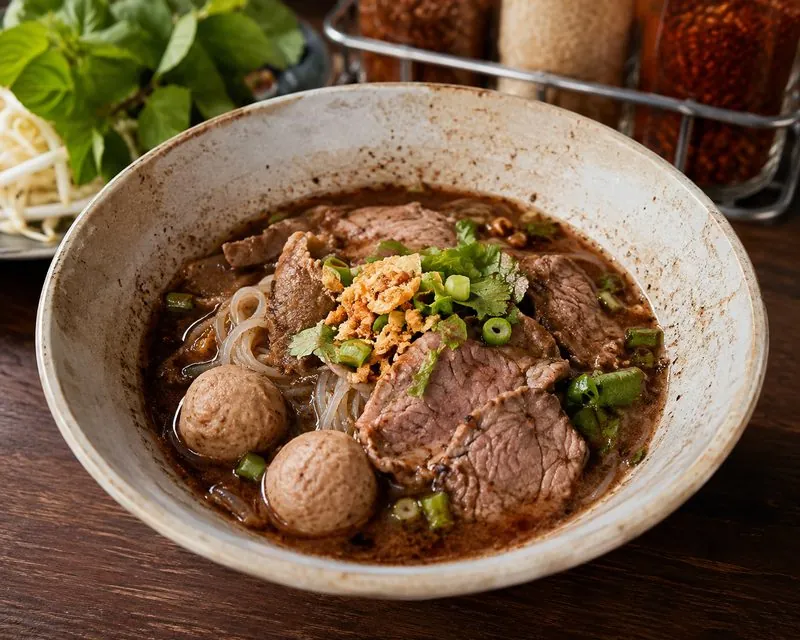
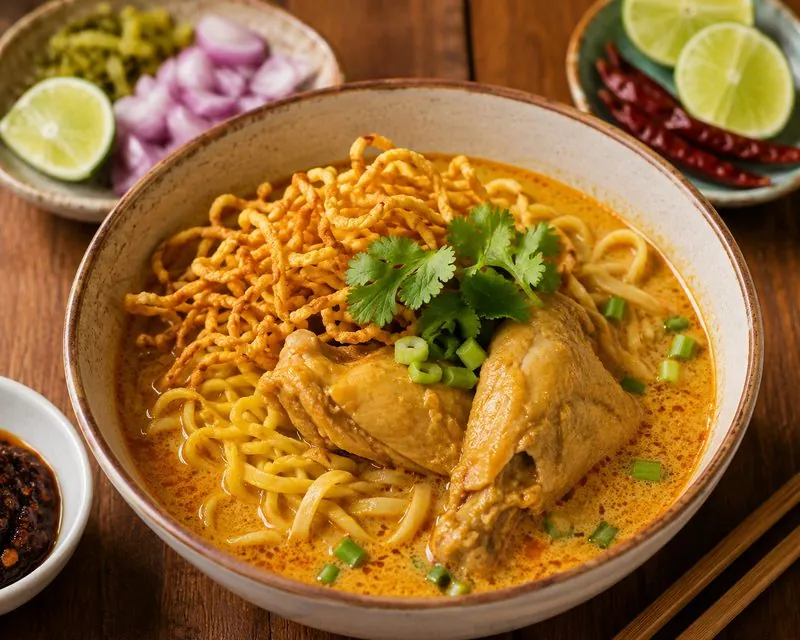
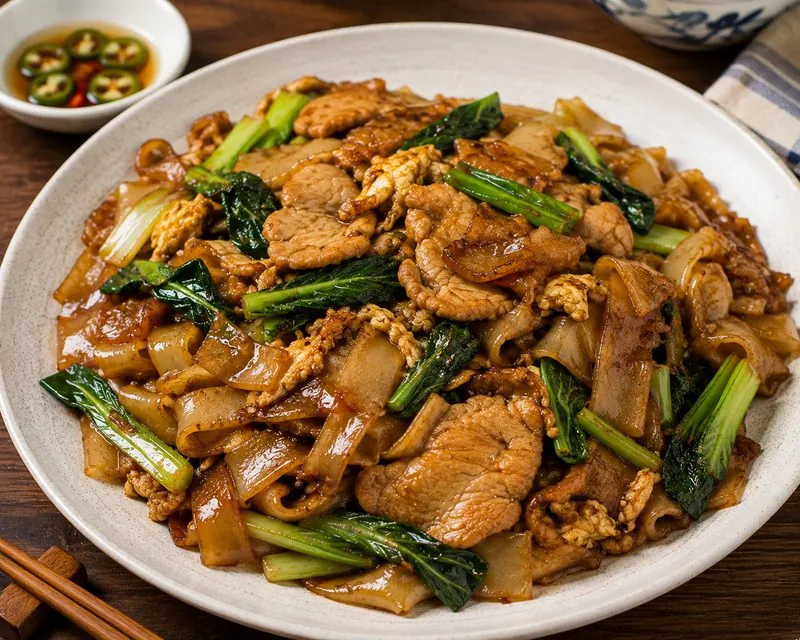
The market is also a fantastic spot for breakfast. There is just as much ready-to-eat food here as there is raw produce.
- Khao Niao Mamuang. Sticky rice with coconut milk and mango. The perfect dessert.
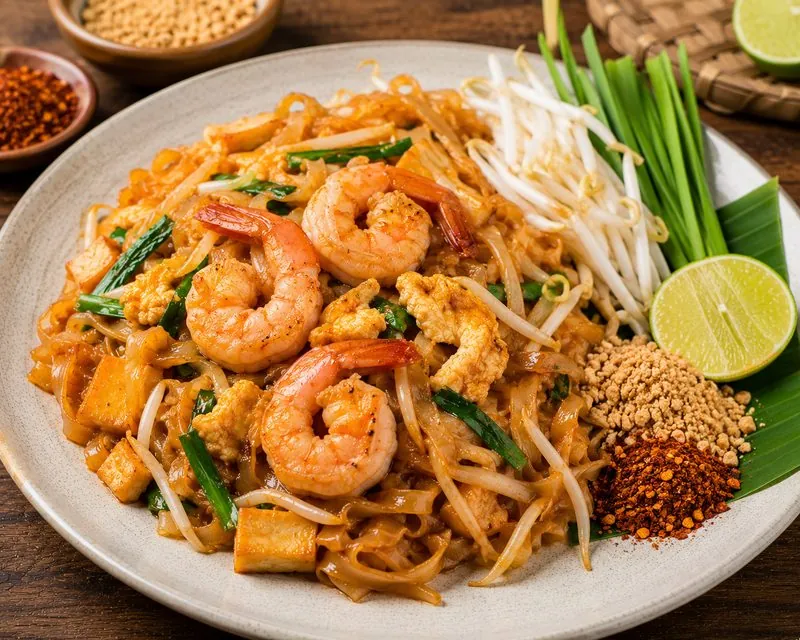
- Pad thai. Fried noodles with vegetables and egg, cooked in a wok over high heat. More about pad thai →
- Gai Yang. Grilled chicken legs marinated in spices and coriander.
What's near Naklua Market
The market is situated in the old part of town, making it easy to combine your stroll with visits to nearby attractions.
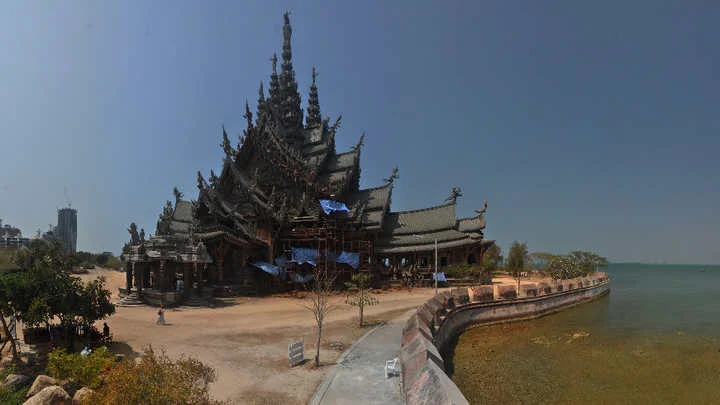
Right by the cape, just a 10-minute walk away, is the famous Sanctuary of Truth. It’s an enormous, entirely hand-carved wooden structure standing 105 meters tall. The silence of the temple feels completely different after the noise of the market. Entrance is around 500 ฿.
If you walk from the market toward the sea, you'll hit Naklua Beach—a quiet, northern beach with clean water. Naklua Beach Guide → And if you're craving a boat trip, the nearby piers are where speedboats depart for Ko Lan.
***
Naklua Market is a place where Pattaya drops its mask as a party resort and shows the face of a regular, hardworking city. In just an hour here, you can buy everything for dinner, eat breakfast like a local, and feel the true rhythm of Thai life. Don't miss the chance to drop by at least once during your trip.